
Description
About this resource
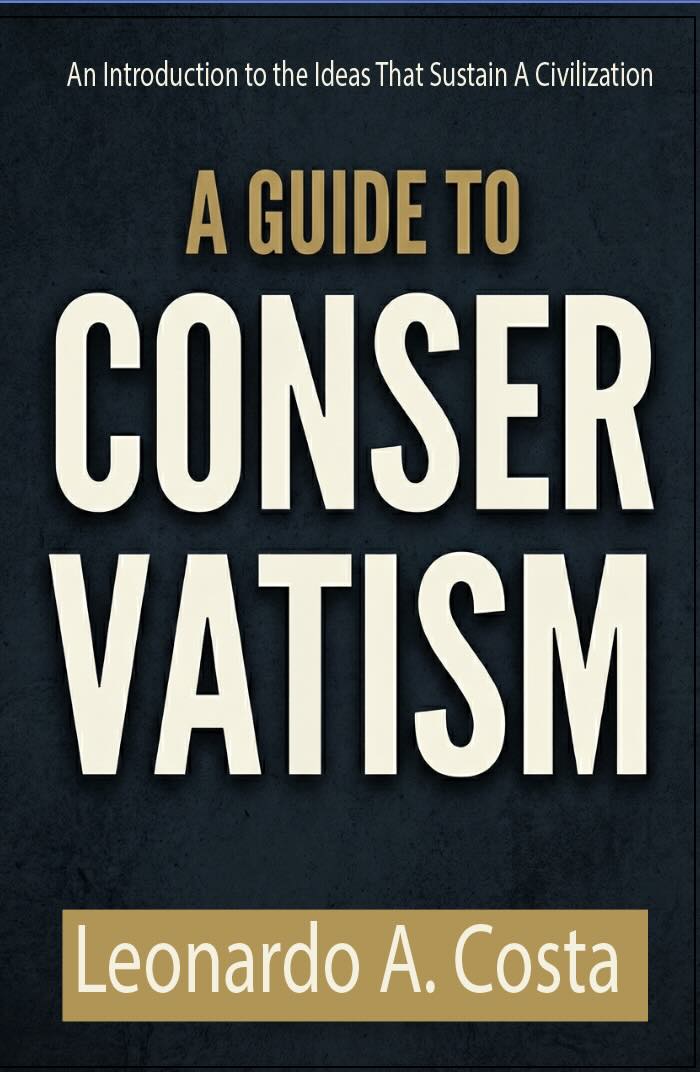
A Guide to Conservatism is for the Christian adult who wants to think clearly about the public square without swallowing slogans from either party. If you teach the Bible, raise a family, vote, pay taxes, run a business, serve in your community, or simply want to understand what is happening to Western culture, you need categories that are sturdier than outrage and talking points. This book gives you those categories. It explains what conservatism is , where it came from, and what it claims about human nature, morality, tradition, liberty, authority, and the proper limits of power. It also walks you through the major fault-lines inside modern conservatism, so you can recognize the difference between principled restraint and mere tribal politics. For the Bible student, the value is practical. You already know the world is confused about truth, virtue, responsibility, and authority. This guide helps you evaluate ideas and policies with clearer definitions, better questions, and less manipulation. You will be better equipped to: separate moral concern from political propaganda spot utopian promises that ignore human sin and human limits think responsibly about freedom, order, family, work, property, and community institutions understand why “good intentions” so often produce destructive outcomes Bonus: the book includes two full contemporary statements that frame today’s debate in plain terms: National Conservatism: A Statement of Principles and Freedom Conservatism: A Statement of Principles . If you want a fair, readable, and structured introduction that helps you think rather than react, this is the place to start.
A Guide to Conservatism (Leonardo A. Costa) is a clear, compact introduction to what conservatism actually is, where it came from, and what it claims about human nature, morality, tradition, liberty, and limited power. Rather than offering slogans, it walks through the major definitions and principles of the conservative tradition (from classic thinkers to modern debates), including markets and morality, freedom and equality, democracy’s virtues and dangers, private property, the family, religion and secularism, community institutions, culture and education, nationalism, and reform vs. revolution. Includes two key contemporary documents in full: National Conservatism: A Statement of Principles and Freedom Conservatism: A Statement of Principles .